
Introduction to PGSEZ

  • home
  • Introduction to PGSEZ
About Us

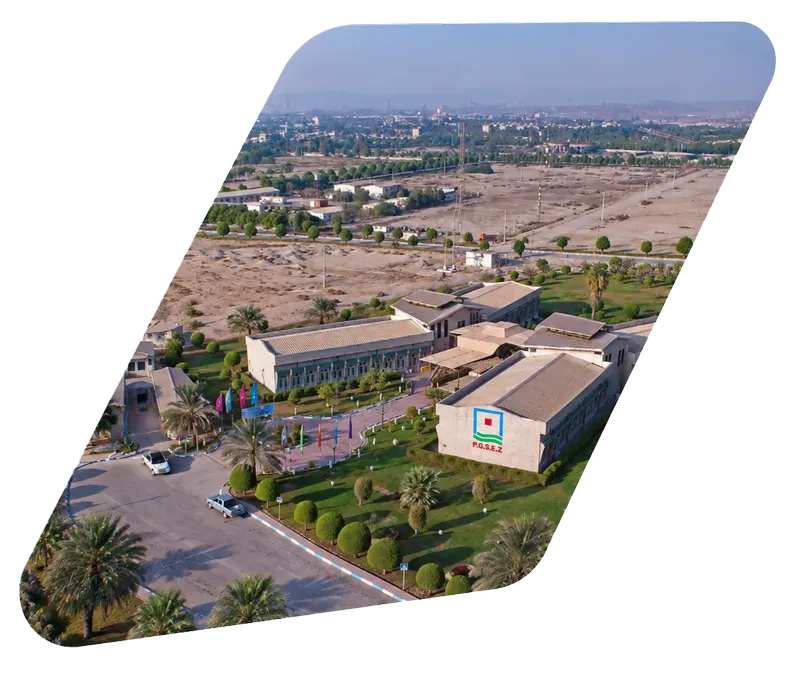
The Persian Gulf Special Economic Zone for Mineral and Metal Industries (PGSEZ) is located at Kilometer 13 of Shahid Rajaee Highway, west of Bandar Abbas, Iran.

The Zone was established on January 14, 1998, under the name Special Economic Zone for Mines and Metals, pursuant to a resolution of the Council of Ministers.

On March 6, 2005, it was renamed the Persian Gulf Special Zone for Mineral and Metal Industries. Subsequently, in early 2009, the word “Economic” was added to its official name, establishing its current designation: Persian Gulf Special Economic Zone for Mineral and Metal Industries.

4 Sites

Southern, Central, Northern, and Expansion Sites
2,000 Hectares

Operational

3,000 Hectares

Under Preparation

5,000 Hectares

Approximate Area
Location & Accessibility

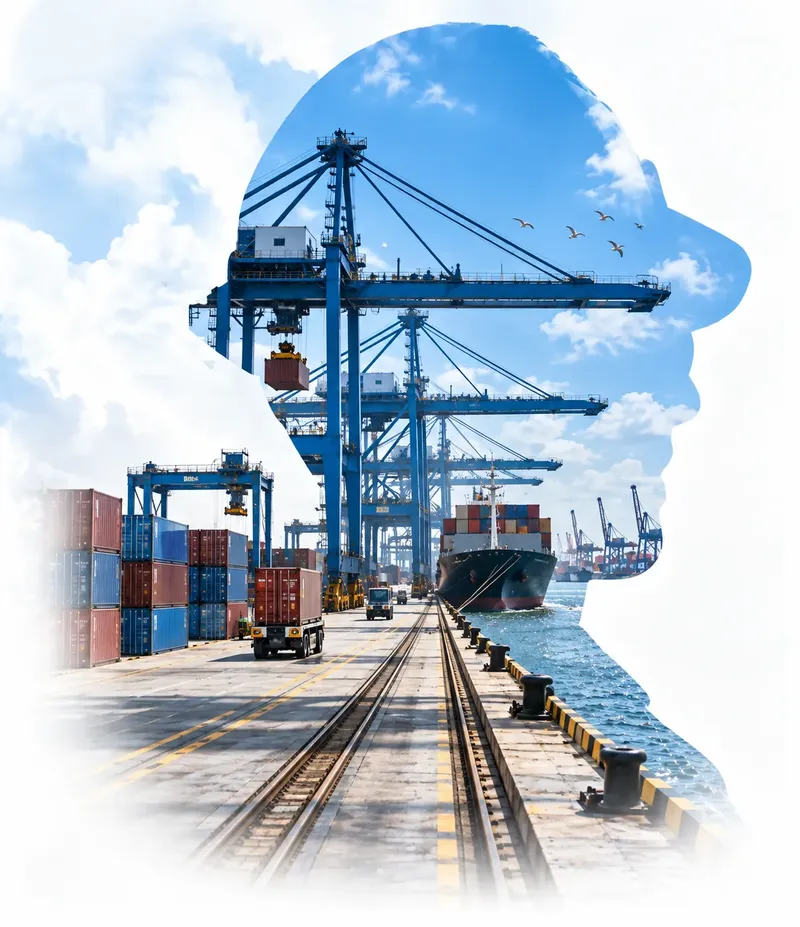
The Persian Gulf Special Economic Zone for Mineral and Metal Industries enjoys a strategic geographical location, bordered to the north by the Pouladi Mountains and the Eighth Refinery, Persian Gulf Star Refinery, and Hormoz Refinery; to the south by mineral and petroleum cargo loading and unloading terminals, open waters, and the Persian Gulf; to the west by Shahid Rajaee Port; and to the east by Tavanir’s 1,200 MW power plant and the city of Bandar Abbas.

Its proximity to major industrial facilities, maritime terminals, and interconnected railway lines provides the Zone with distinctive logistical and industrial advantages.

Objectives & Achievements
The Persian Gulf Special Economic Zone for Mineral and Metal Industries (PGSEZ) aims to create favorable conditions for attracting domestic and foreign investment and directing it toward the establishment of industrial and mining facilities, particularly in energy-intensive industries and mineral processing.

The Zone’s key objectives include promoting economic growth and development, creating new employment opportunities, advancing modern production technologies, enhancing managerial skills, improving product quality, and strengthening export capabilities to compete effectively in international markets.

The Zone’s development activities began with the operationalization of the Southern Site and the construction of administrative buildings, perimeter fencing for the Central Site, road networks, and utility infrastructure. Major projects included the five-star Persian Gulf Hotel, desalination plants, overpasses connecting to Shahid Rajaee Highway, and railway infrastructure.

Further development was achieved through the merger of Bandar Abbas Rolling Company (BARCO), the integration of mineral and petroleum cargo loading and unloading terminals, and the establishment of customs facilities, alongside the commissioning of the Zone’s industrial sites.

Today, with the presence of major steel, aluminum, and other industrial facilities, the Persian Gulf Special Economic Zone has become a significant industrial hub for steel and aluminum production, anode manufacturing, mineral and petroleum cargo handling, and electric power generation.