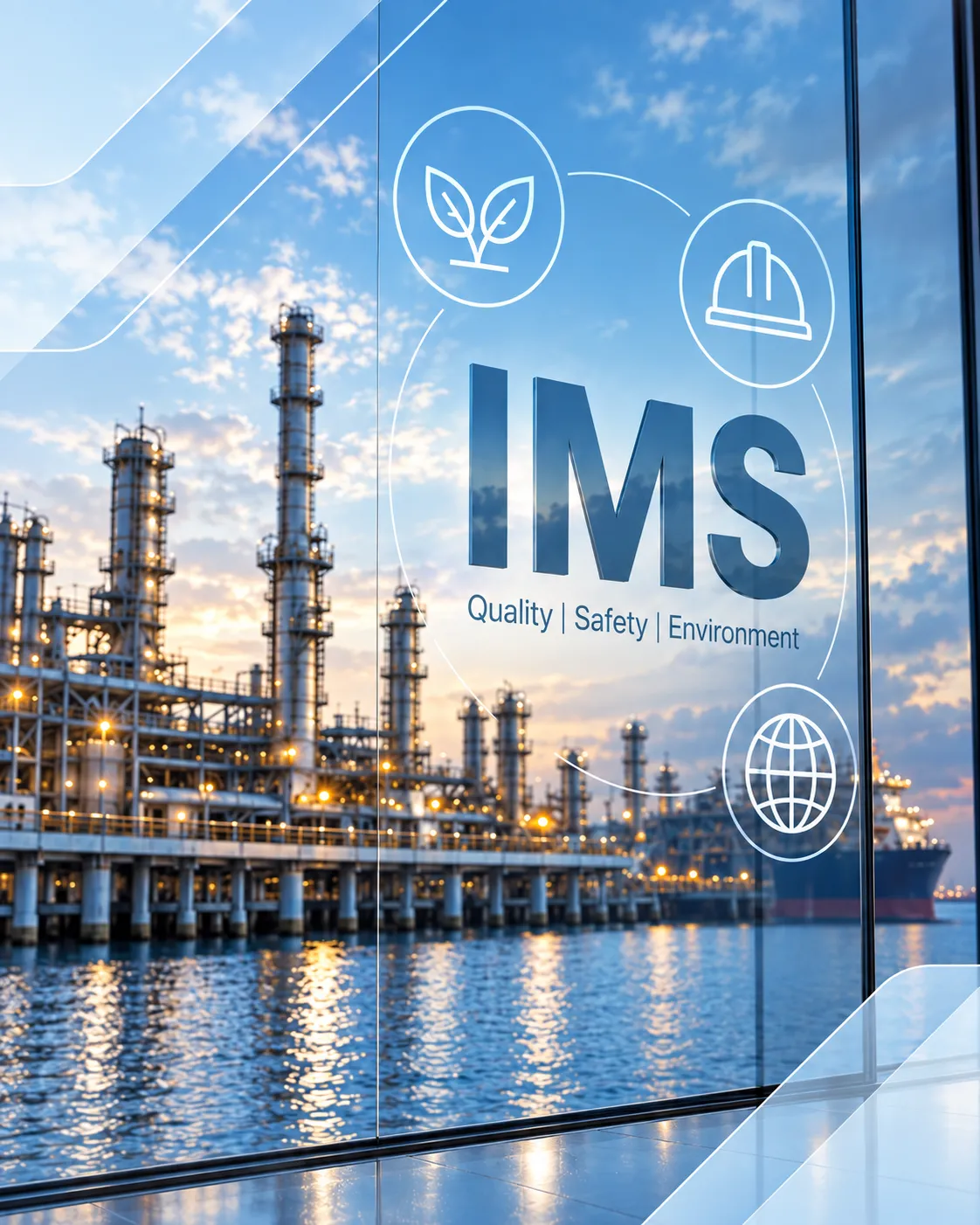
With the emergence of systems thinking and the development of various service and production systems, management systems were introduced as a means of achieving greater integration and coordination among different existing systems.
Approaches such as Production Management, Operations Management, Training Management, and other management systems represent efforts to address organizational challenges through systematic management practices.
Following the adoption of these management approaches and the intensification of competition in international business markets, organizations increasingly sought to apply effective methods and techniques to strengthen their competitive capabilities.
In this context, the development and implementation of international standards, particularly those established by the International Organization for Standardization (ISO), gained considerable importance.
The concept of an Integrated Management System (IMS) was introduced to integrate three major management system standards into a unified and comprehensive management framework:
ISO 9001: Quality Management Systems
ISO 14001: Environmental Management Systems
ISO 45001: Occupational Health and Safety Management Systems
The primary objective of an Integrated Management System is to harmonize these standards, improve organizational coordination, and establish a comprehensive and effective management framework.
Despite its relatively recent adoption, this integrated approach has demonstrated significant positive results, contributing to improved organizational performance, greater management efficiency, and more effective coordination across different operational areas.
The integrated implementation of these three management systems appears to provide the necessary foundation for continual improvement in each of the three areas, while creating significant opportunities for organizations to align their operations with internationally recognized standards.
Cost Savings
Reduced Documentation
Reduced Number of Audits
Enhanced Integration and Communication Between Systems
Simplified Implementation of Management Systems
GOALS
Objectives of the Integrated Management System (IMS)
Establishing and Promoting a Culture of Compliance with Quality, Health, Safety, and Environmental (QHSE) Principles Throughout the Company and Its Affiliated Worksites
Continual Improvement of Processes to Achieve the Highest Standards of Quality, Orderliness, and Safety Across All Visual, Implementation, Operational, and Behavioral Aspects.
Establishing and Promoting a Culture of Compliance with Quality, Health, Safety, and Environmental (QHSE) Principles Throughout the Company and Its Affiliated Worksites
Striving to Achieve the Highest Standards of Quality in Services and Responsibilities, Orderliness, and Safety, While Ensuring Their Maintenance and Continual Improvement.
Preventing Potential Accidents During Operations, Minimizing Their Impact on Operational Units, and Reducing Workplace Incidents Through the Implementation of Expert-Developed Health and Safety Measures.
Promoting a Culture of Compliance with Health and Safety Procedures Across All Worksites.
Continuous Monitoring and Ensuring Proper Compliance with Quality, Safety, Health, and Environmental (QHSE) Standards.
Requiring All Contractors to Comply with All Principles Outlined in the Management Systems Policy.
Minimizing the Adverse Environmental Impacts of Organizational Activities on the Work Environment and Promoting Continual Improvement Across All Areas of Operations.
Assessing Occupational Hazards and Setting Targets to Reduce Risks During Operational Activities.
Promoting a Culture of Employee Participation in All Organizational Activities to Enhance Productivity and Optimize Cost Management in Accordance with ISO 10015.